
Following an intensive and highly-engaging capacity-building workshop hosted by Greenpeace Africa, a cohort of investigative journalists from across the region has released a series of groundbreaking findings shedding light on critical environmental issues affecting local communities, ecosystems, and national development.
The workshop, which focused on advanced investigative techniques, data-driven storytelling, environmental governance, and climate justice reporting, equipped journalists with practical tools to uncover hidden realities within the environmental landscape. Over several days, participants engaged in hands-on field sessions, expert dialogues, and collaborative research that strengthened their ability to hold power to account and amplify the voices of affected communities.
Key Findings from the Investigations
The post-workshop investigations explored a wide array of environmental challenges, with journalists producing evidence-based reports that highlight both systemic gaps and urgent opportunities for reform. Some major insights include:
- Illegal Logging and Forest Degradation
Investigations revealed growing cases of unauthorized timber exploitation in protected forest zones, driven by weak enforcement and unregulated commercial interests. Journalists documented how these activities threaten biodiversity, accelerate climate change, and undermine the livelihoods of forest-dependent communities.
- Pollution from Industrial Operations
Several reports exposed unsafe waste disposal practices by certain industrial entities, resulting in water contamination, soil degradation, and increased health risks for nearby residents. These findings underscore the need for stronger environmental compliance monitoring and transparent accountability mechanisms.
- Mining Activities and Community Vulnerability
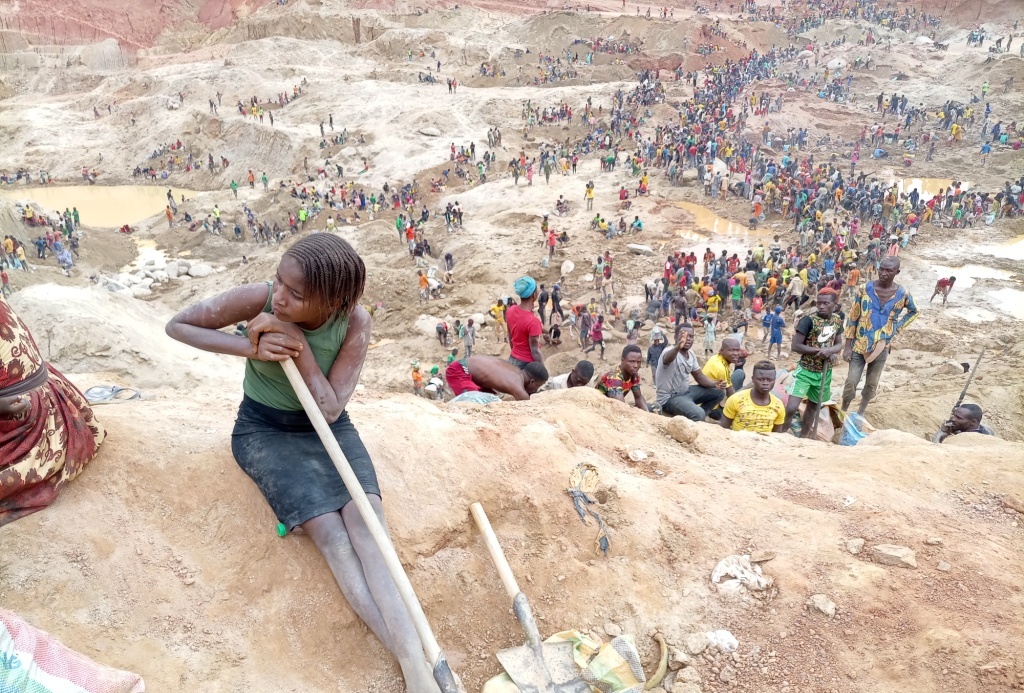
The investigative series uncovered the social and environmental implications of artisanal and large-scale mining activities. Journalists highlighted issues such as land degradation, unsafe working conditions, and inadequate compensation for affected households.
- Climate Change Impacts on Agriculture
With climate shocks increasing across the region, journalists documented the struggles of smallholder farmers facing unpredictable rainfall patterns, crop failures, and unregulated agribusiness practices. Their reporting showcases the resilience of rural communities, while stressing the importance of climate-smart policies.
- Governance Gaps and Citizen Participation
Many stories called attention to governance loopholes in environmental oversight, the limited involvement of women and youth in decision-making, and the lack of accessible information for citizens. The investigations emphasized that transparent governance is essential to achieving environmental justice.
Strengthening Collaborative Environmental Journalism
The partnership between Greenpeace Africa and participating media professionals has demonstrated the power of collaborative, solutions-oriented environmental journalism. Beyond exposing problems, many of the published investigations spotlighted innovative community initiatives, sustainable alternatives, and policy recommendations aimed at building a more resilient and equitable future.
Greenpeace Africa reaffirmed its commitment to supporting journalists as key allies in the fight against environmental degradation and climate injustice. By equipping reporters with advanced investigative skills, the organization hopes to drive sustained public engagement, facilitate informed debate, and encourage bold policy action across the continent.
A Path Forward
As the investigations continue to gain traction across digital and traditional media platforms, they serve as a powerful reminder of the crucial role journalists play in safeguarding natural resources and amplifying the realities of vulnerable populations.
This milestone underscores a growing movement of environmental watchdogs committed to evidence-based reporting, transparency, and social accountability.
TI-C, Greenpeace Africa and the participating journalists remain dedicated to deepening this partnership, driving impactful storytelling, and championing a greener, fairer Africa.
Please find these reports below ;
Women in Batchenga, in Lekie Division of Cameroon’s Centre Region, now walk longer distances to their shrinking farmlands and dwindling forests in search of food and water.
“I used to farm near these riverbanks. But now, the land is gone, and the water smell like oil,” 55-year-old resident, Mama Bella, recalls nostalgically, her feet buried in the damp earth.
Bella is paying the price for the construction of the Nachtigal hydroelectric power plant, a 420 MW facility on the Sanaga River near the capital city of Yaounde.
https://www.notre-planete.info/actualites/276-orpaillage-deforestation-Cameroun


